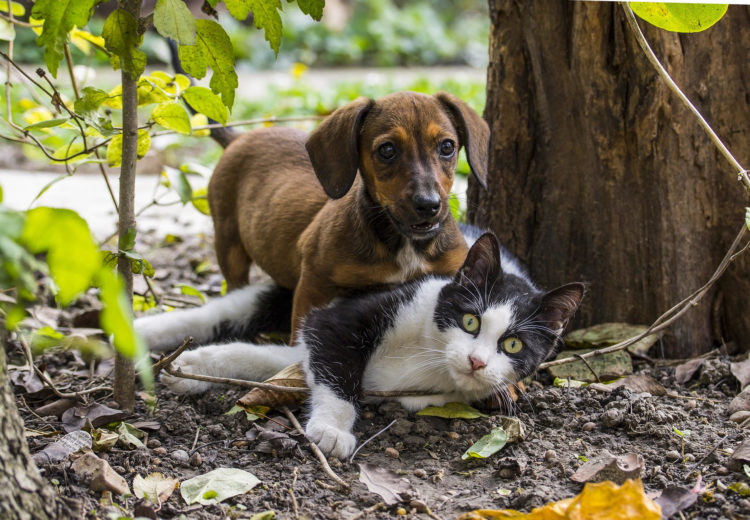
Doggy Snow (Dog Dandruff) & Immunity Support
Boost Your Pet’s Immune System While Fighting Dog Dandruff
As the winter sets in, so does the dry air and with that comes more dog/cat dandruff and an itchier more irritable companion. The extreme winter weather coupled with holiday stress can be especially taxing on the immune system for both you and your pet.
As the humidity drops and the holidays whiz by, you may notice a pet that is itchy, flakey and just a bit more stressed with new people and changes added to their daily routine. Even highly social pets who love everyone they meet, can experience stress. Even the “good” stress and excitement associated with meeting new people, can still impact the gut and immune system. Luckily, there are simple steps you can take that help mitigate these environmental stressors!
Hydration is always number one! Pets often don’t drink as much in the cooler weather. Dehydration will cause dry skin, dog/cat dandruff, fatigue and can contribute to anxiety and stress. Be sure your pets are getting enough water. If needed add a little water to their food. But water may not be enough. Read on for more ideas!
Fish oil is my first go-to for dry flakey skin. It can also be helpful for stress and immune support. Your pet’s food is primarily where they’ll get this important nutrient. Unfortunately, any pet foods simply don’t have enough of the right type of omega 3 fatty acids, which are so important for skin health, inflammation control and the immune system.
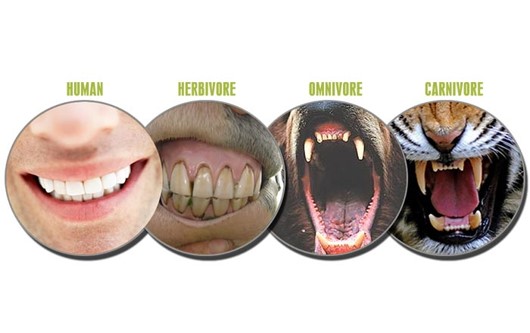
You see, not all omega 3’s are created equal. EPA and DHA are the most important omega 3 fatty acids for cellular health and inflammation management. The best sources of these are from fish and some types of algae. Your pets are carnivores and unlike herbivores, they cannot effectively use the omega 3 fatty acids from plants. Many seeds like flax seeds are high in the omega 3 fatty acid, alpha linoleic acid, ALA. But dogs typically convert less than 5% of the ALA they eat, to EPA or DHA. Cats have an even harder time with this conversion.
Pets on diets with low omega 3 fatty acids, or with ALA as their primary omega 3, will
often need a fish oil supplement year-round. If your pet food claims to be high in omega 3’s be sure to check if they are using the cheaper seed sources which only provide ALA, or if they contain fish oil which have high levels of EPA and DHA. Cod liver oil is typically added to provide a food-based source of vitamin D along with EPA and DHA. Vitamin D is another essential nutrient for a healthy immune system.
If you are looking for a good fish oil/omega 3 supplement, here are some I recommend:
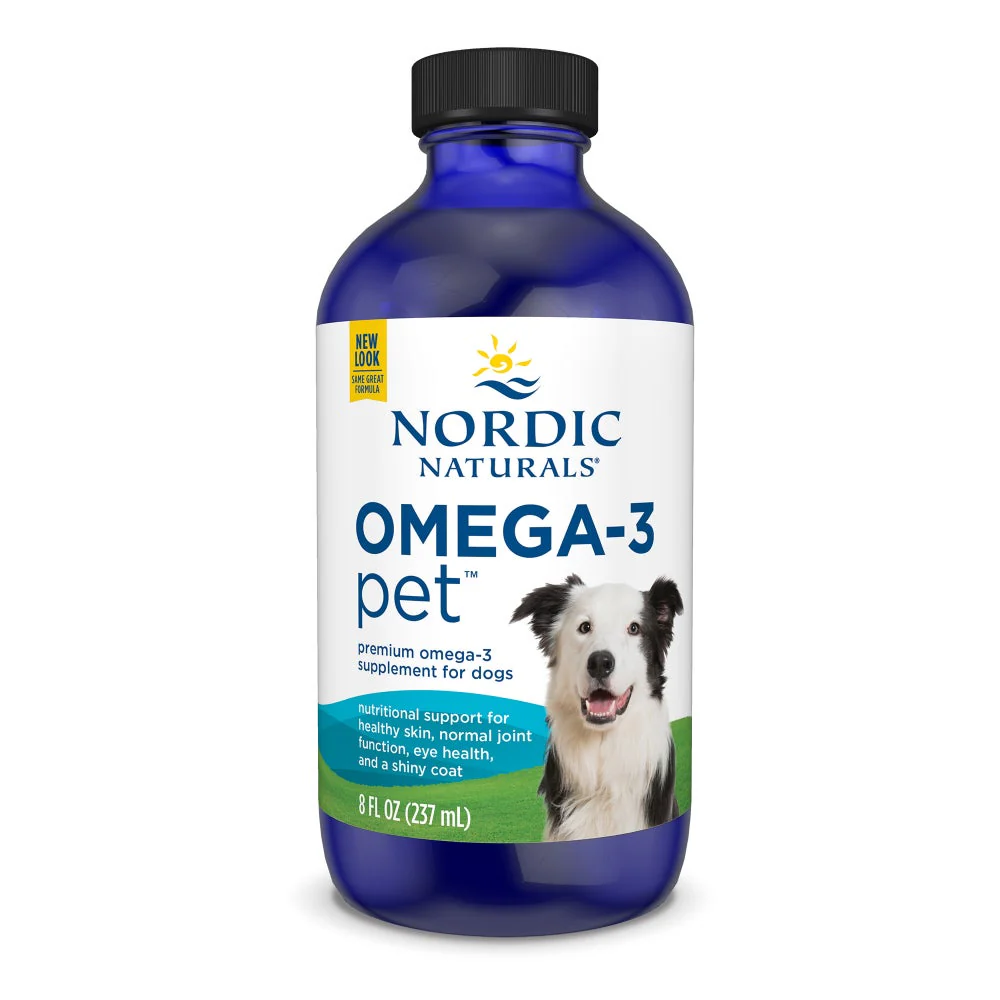
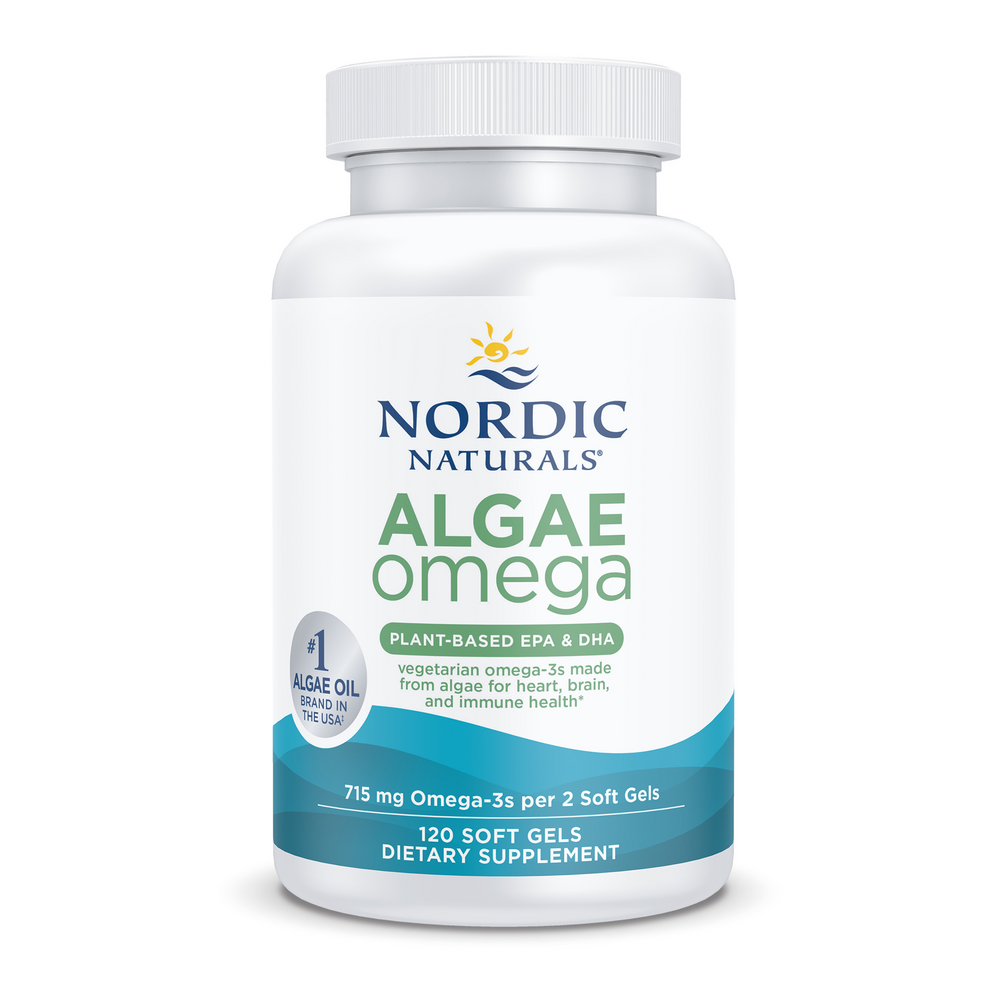
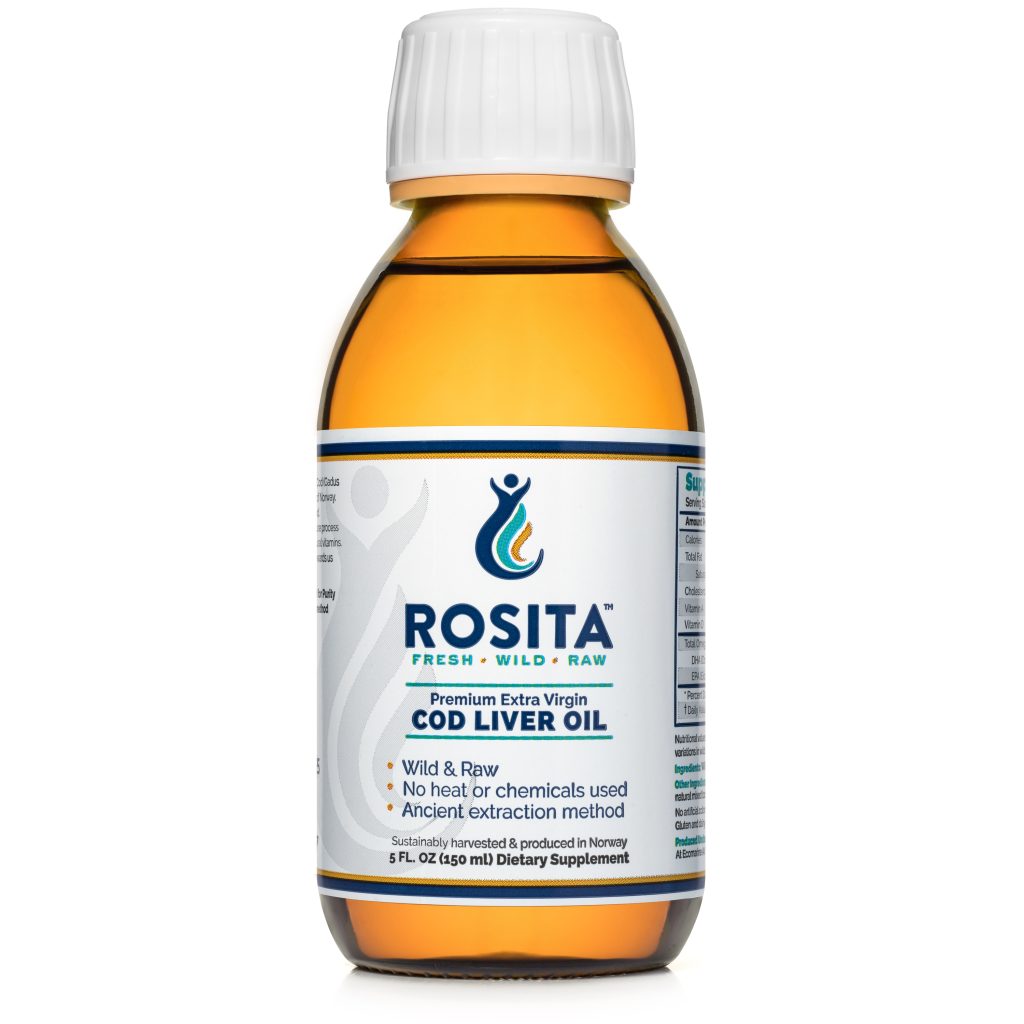
If your pet food contains fish oil or cod liver oil, your pet may still benefit from supplemental fish oil in the dry winter months. Check with your veterinarian for dosing.
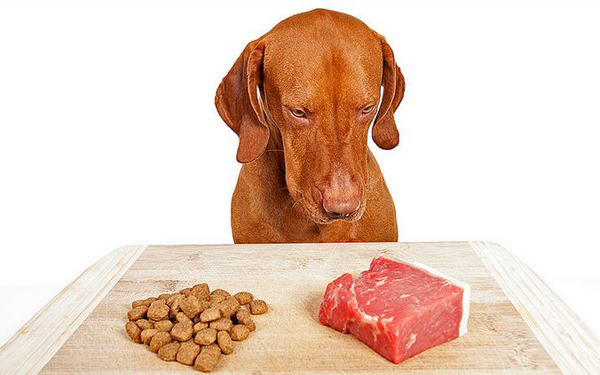
Another important factor in healthy skin is the overall diet. The improvement in overall skin and coat health is one of the first things my clients notice when they switch their pets from a highly processed pet food to a minimally processed whole food diet. Whole food diets typically provide healthy levels of EPA and DHA as well as cultivate a healthy environment for your pet’s gut microbiome to thrive which contributes to a healthier digestive system and stronger immune system!
The largest contributor to your pets overall health begins in the gut! Did you know that 70% or more of the immune system resides in the gut? And the gut microbiome plays a huge role in its functioning. When the gut and immune system are working properly, benefits appear throughout the body. Those friendly microbes in the gut thrive on healthy fiber and high-quality protein. Some of the best sources of fiber are from fresh fruits and vegetables like apples and chicory root. The best source of protein for carnivores like your dog or cat, comes from muscle and organ meats.
Highly processed foods are high in oxidative by-products, adding to your pet’s overall level of oxidative stress. This affects every body system but is often most evident in the skin and coat. You may also find that high quality whole food diets include specific ingredients to combat oxidative stress. Brightly colored foods like cranberries and sweet potatoes are often good sources of natural antioxidants.
So quality whole food pet diets, like those found in my eBook Best Foods for Your Dog are a great way to support your pet’s overall health as well as their skin, coat and immune health!