Pet Safe Holiday Foods
We love to share the holidays with our pets, dressing them in Halloween costumes and even wrapping presents for them. But you may wonder if you can share some of your yummy holiday treats with them. The answer is that there are many yummy and healthy treats you can share with your pets that they’ll love.
As the Pet Nutrition Doctor, I teach my clients the benefits of whole food diets, and use nutritionally balanced whole food diets as the starting point of treatment for most of my patients. You’ll find that most of the healthy whole foods you love are great for your pets too. But there are a few things that are very dangerous to share. Some may surprise you.
I have put together this list of some of the most popular holiday foods. There are 5 categories of food that are safe to share and 5 that are not. If you don’t see the food you want to share in this list, it is best to check with your veterinarian before you give it, just in case. Dogs and cats are very similar to us in many ways, but they each have their unique variations in metabolism that can make a food that is safe, or even healthy for us, deadly to them.
Safe Holiday Foods:
- Turkey giblets– These are the organ meats that are packed with nutrients. They should be gently cooked for those pets not used to eating raw food. Add turkey necks to your turkey bone broth to supercharge it with natural glucosamine, chondroitin and collagen. DO NOT feed cooked turkey necks. See below in the section on cooked bones.
- Vegetables like pumpkin, squash, sweet potatoes, potatoes, green beans, carrots, kale, broccoli and so many more. The fiber in these support a healthy gut microbiome.
- Fruits – Apples, cranberries, and pears are packed with vitamins and antioxidants that help to keep your pets healthy.
- Turkey meat or ham are great whole food sources of protein, vitamins and minerals. Dark turkey meat is more nutrient dense than white meat.
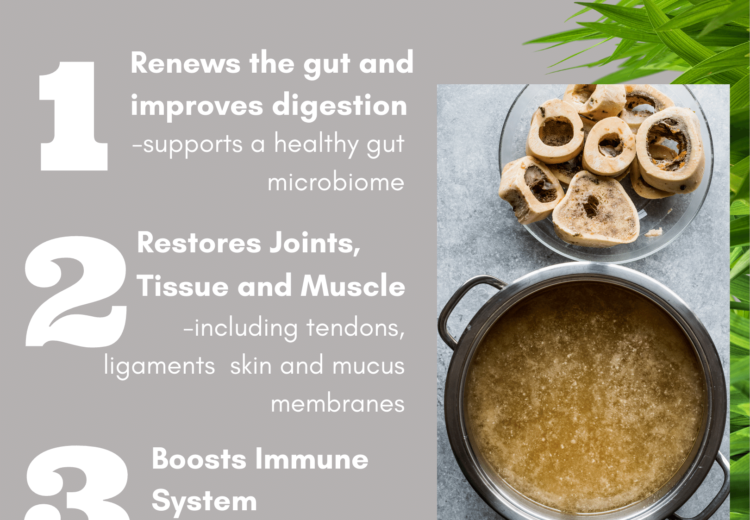
- Bone broth made from your holiday turkey makes a great hydrating topper for your pet’s food while providing gut healing nutrients. See our previous post for more information and a recipe to make your own healthy broth.
Dangerous Holiday Foods:
- Cooked bones can splinter and tear the intestinal tract or can cause a blockage. Many a holiday has been ruined by a visit to the emergency room because of the bloody stool or worse, emergency surgery to remove a bone that got hung up in the intestine.
- Food containing tartaric acid. Tartaric acid can be extremely toxic to dogs, causing acute kidney failure and sometimes death. Grapes contain tartaric acid, but the amount in individual grapes varies with some having up to 6 times as much as others. And sensitivity varies in dogs. In the worst case, just 4 grapes can be fatal to a 15 lb dog. Raisins have higher levels of tartaric acid because it is concentrated when the grapes are dried. If your dog gets any of these, call or visit your vet right away. While tamarinds may not be as common, they have much higher levels of tartaric acid, so they deserved mention here. Cream of tartar is the potassium salt of tartaric acid and is used in many baked goods and merengues and sometimes in homemade playdough.
- Grapes, Raisins or stuffing containing raisins.
- Tamarinds
- Cream of tartar
- Onions, shallots, scallions – If there is a little onion used to season a soup or stuffing and your pet eats a little, it is probably fine. But if your 10 lb dog eats the equivalent of ¼ medium onion take them to the vet to be safe. Less than that it is unlikely to even cause stomach upset.
- Chocolate. This toxicity is dose dependent. Milk chocolate is mostly sugar and milk and usually contains less than 20% chocolate, so your pet would have to eat a lot to even get a stomach ache. But baker’s chocolate may be 100 % chocolate, so even a small amount can be very toxic or fatal, especially to a very small pet. Chocolate Toxicity Calculator
- Extra turkey skin and pan drippings. While small amounts of these can be added as toppers to food, the high fat content can send some dogs into a full-blown pancreatitis episode. If your dog is sensitive to high fat foods, avoid these completely.
References:
Grape Toxicity Study